

LEARN: Top Takeaways for a Sharper Photography + Videography Shoot
In arts marketing, visual content is one of your most powerful tools—and one of the most underestimated. From the photo accompanying a media feature to the image anchoring a billboard, a digital ad, or a social feed, the visuals you create do the heavy lifting long before a word is read.
A great shoot sets you up for success across every channel and every stage of your campaign. It communicates the themes, texture, energy, and narrative of a work at a glance—and when done well, it compels an audience to lean in, be informed, and act!
To ensure your next shoot delivers, here are MPMG’s top tips:
1. Do Your Research. A successful shoot begins way before you’re in the room. Start by looking at other productions for inspiration, review magazines and films for poses and ideas. To help your photographer/videographer and talent get on the same page, we recommend creating a Pinterest-style mood board or document that plans out the various shots you’re hoping to capture so that nothing is missed on the day.
2. Choose Your Team. We want our talent to reflect the diversity of backgrounds and experiences we see in the world. Ask yourself who is the target audience for this show and can they see themselves or their community represented in the people you’re inviting to the shoot? In addition to booking the right talent, ensure you have team members with expertise in wardrobe, make-up, and/or hairstyling who can be on site for small details and on-site touch-ups.
3. Focus on Character. Before you step into the shoot, identify the personalities, gestures, and emotions that give audiences an immediate sense of the work. Pick three adjectives that encapsulate each character and brief your photographer and talent accordingly—the goal is to communicate those qualities through image alone. The most compelling promotional photography and video doesn’t just document; it invites an emotional connection that makes an audience feel something before they’ve read a single word.
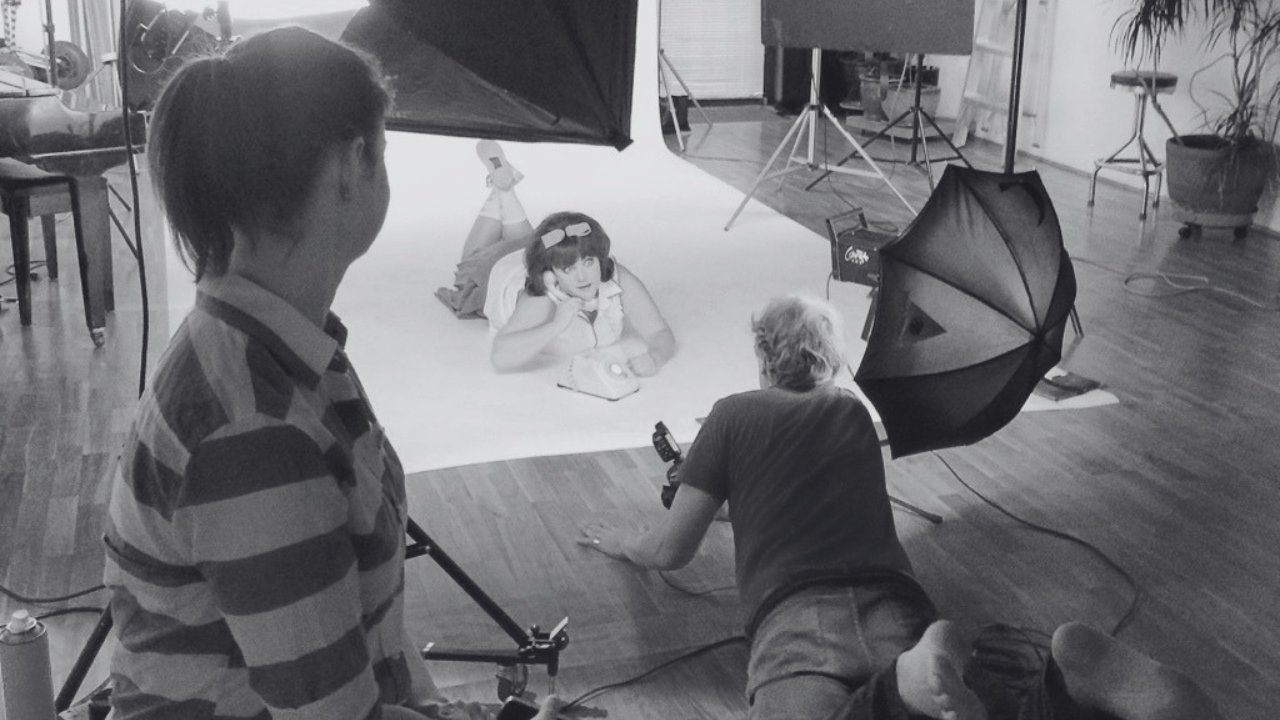
4. Static Shouldn’t Mean Stiff. For a photo shoot, ask yourself how you are going to convey movement and energy. Capturing the physicality of a production is essential across every arts discipline—whether it’s the sweep of a dancer, the intensity of an actor mid-scene, or the presence of a musician lost in performance. When arranging performers in the space, keep gestures fluid and loose rather than over-posed and rigid. Just because the final image is static doesn’t mean the energy within it should be.
5. Find Your Musical Match. With your footage in hand, it’s time to think about one of the most impactful decisions you’ll make in post production—and it isn’t visual at all. In the same way you assigned three adjectives to your characters, select three descriptive terms that capture the energy of the show at-large and use them to help inform your music selections. While copyright and licensing can rule out your first picks (even in the case of musicals, where using the score in ads can be cost prohibitive), resources like Meta Sound Library offer a database of free music for use in your ads. You can even search terms like “heartbreak” and get recommended songs that match your show’s energy and themes.
6. Short, Sharp, and Made for Scroll. When it comes to editing your video content, keep it to 60 seconds or less. Know that on Instagram, the average video view is just four seconds, which means your opening moments need to work hard. Lead with your most impactful image, your most compelling moment, your most arresting frame. As storytellers we are accustomed to slow builds and longer introductions, but social video demands a different instinct—hook your audience immediately and leave them wanting more.
Categories: MPMG